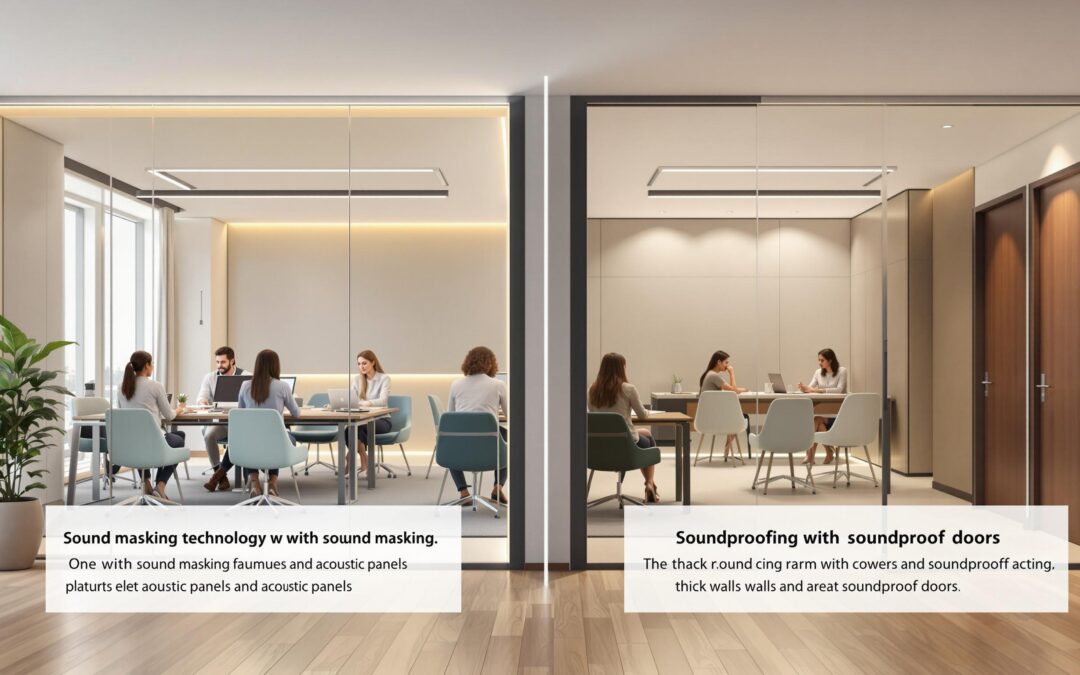
by qressy_admin | Apr 21, 2025 | Acoustics
Sound masking and soundproofing are two distinct methods for managing noise in spaces. Here’s a quick breakdown: Sound Masking: Adds controlled background noise to reduce distractions and improve privacy in open areas like offices. Soundproofing: Blocks sound...
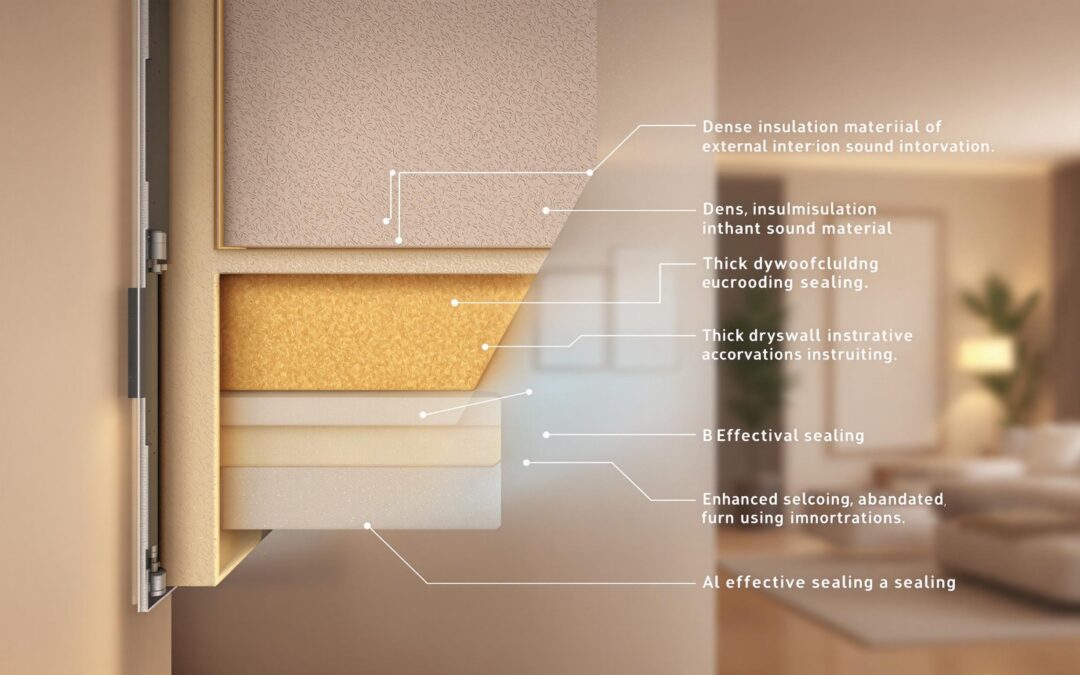
by qressy_admin | Apr 19, 2025 | Acoustics
Want better soundproofing? Start here: Increase wall mass: Add layers of plasterboard for improved sound blocking. Insulate cavities: Use mineral wool or high-density glass fibre for maximum sound absorption. Choose effective framing: Staggered studs, resilient...

by qressy_admin | Apr 18, 2025 | Acoustics
Wind turbine noise regulations in the UK focus on protecting communities while supporting renewable energy development. Here’s a quick summary of the key rules: Setback Distances: Turbines must be at least 500 metres from homes (small turbines) or 1,000 metres (large...
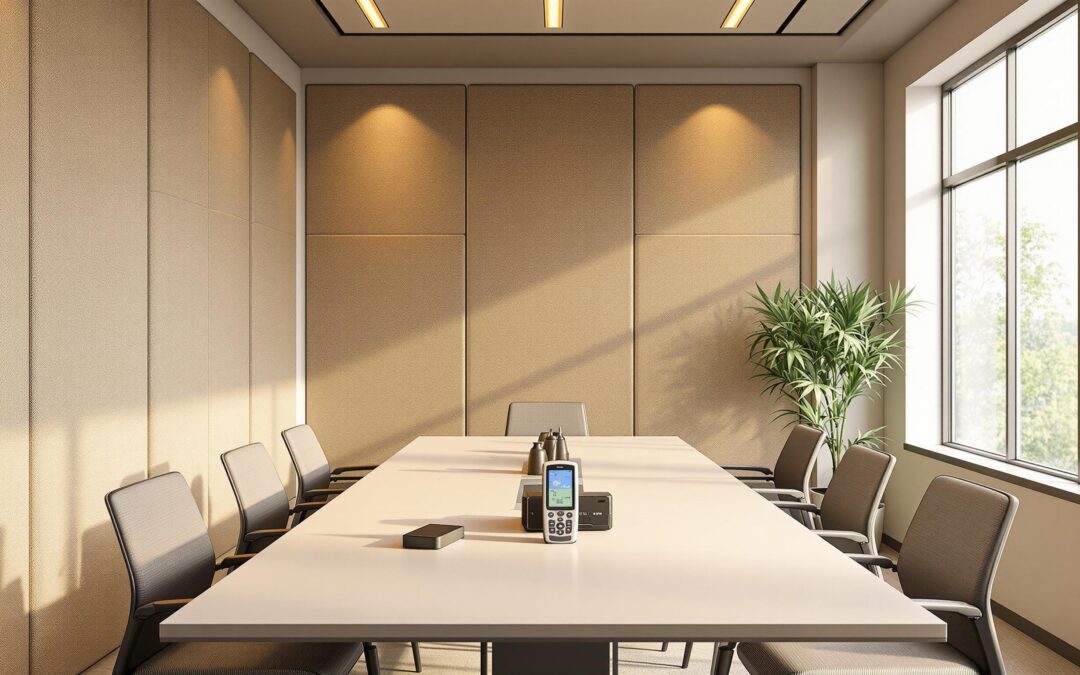
by qressy_admin | Apr 17, 2025 | Acoustics
Acoustic testing ensures buildings are quiet, private, and meet UK regulations. It checks how sound travels through walls, floors, and other parts of a building to improve comfort and privacy. Here’s what you need to know: Types of Sound Tested: Airborne sound:...

by qressy_admin | Apr 16, 2025 | Acoustics
Wind turbines are essential for clean energy, but they can be noisy. This noise comes from spinning blades, mechanical parts, and environmental factors. Controlling it is important to meet UK noise regulations, protect wildlife, and maintain community support. Here’s...
